
Oatly Oat Milk is a Swedish invention from 2001 by Rickard Öste known for practical impact and lasting relevance.
Oatly Oat Milk is a plant-based milk alternative made from oats, developed by Swedish food scientist Rickard Öste at Lund University. Born from decades of research into lactose intolerance, Öste discovered that enzymes could transform oats into a creamy, drinkable liquid. Founded in 2001, Oatly struggled for years before a bold rebrand in 2012 turned it into a cultural phenomenon. Today the company sells in over 20 countries and has become a symbol of sustainable food innovation, proving that Swedish ingenuity can reshape what the world drinks. Oatly Oat Milk is closely associated with Sweden's tradition of practical problem-solving and is often dated to 2001. The invention is credited to Rickard Öste, whose work emphasized reliability over spectacle. Its core idea is simple but effective, focusing on usability, durability, and making everyday tasks easier. Over time, improvements in materials and manufacturing helped it move from early adopters to broader use. Rather than a single dramatic launch, its influence grew as people saw value in daily settings.

Coca-Cola Bottle is a Swedish invention from 1915 by Alexander Samuelson known for practical impact and lasting...
The iconic contoured Coca-Cola bottle was designed by Swedish-born Alexander Samuelson in 1915 at the Root Glass Company in Indiana. Tasked with creating a bottle so distinctive it could be recognized by touch in the dark, Samuelson drew inspiration from the cocoa pod's ribbed shape. His design beat competing entries and was patented on November 16, 1915. The bottle became one of the most recognized objects on Earth, featured in pop art by Andy Warhol and collected by museums worldwide, a lasting testament to Swedish design thinking. Coca-Cola Bottle is closely associated with Sweden's tradition of practical problem-solving and is often dated to 1915. The invention is credited to Alexander Samuelson, whose work emphasized reliability over spectacle. Its core idea is simple but effective, focusing on usability, durability, and making everyday tasks easier. Over time, improvements in materials and manufacturing helped it move from early adopters to broader use. Rather than a single dramatic launch, its influence grew as people saw value in daily settings.
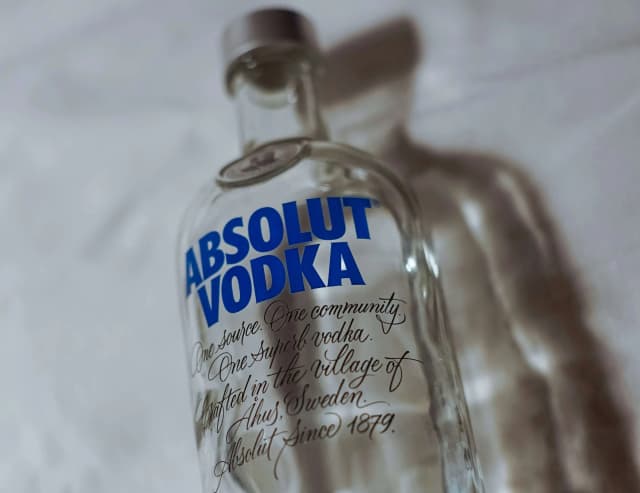
Absolut Vodka is a Swedish invention from 1879 by Lars Olsson Smith known for practical impact and lasting relevance.
Absolut Vodka is more than just a premium spirit; it's a cultural icon that has redefined the vodka industry. Born in Sweden and embraced worldwide, Absolut has become synonymous with purity, quality, and innovative marketing. From its minimalist bottle design to its commitment to sustainability, Absolut Vodka is a brand that continues to make a lasting impact on the spirits industry. Absolut Vodka is closely associated with Sweden's tradition of practical problem-solving and is often dated to 1879. The invention is credited to Lars Olsson Smith, whose work emphasized reliability over spectacle. Its core idea is simple but effective, focusing on usability, durability, and making everyday tasks easier. Over time, improvements in materials and manufacturing helped it move from early adopters to broader use. Rather than a single dramatic launch, its influence grew as people saw value in daily settings. Even today the underlying principles still hold, which is why the concept continues to feel relevant.
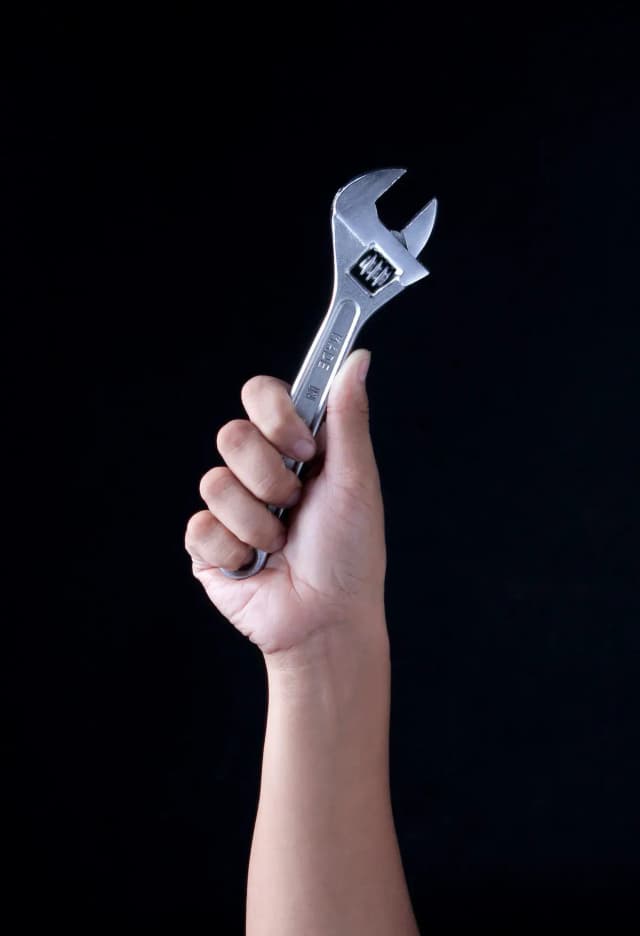
Adjustable Wrench is a Swedish invention from 1892 by Johan Petter Johansson known for practical impact and lasting...
When you think of groundbreaking inventions, your mind might wander to the automobile, the airplane, or even the smartphone. But one tool that has quietly shaped industries, households, and repair shops worldwide is the adjustable wrench—a simple yet ingenious device that was invented in Sweden. Adjustable Wrench is closely associated with Sweden's tradition of practical problem-solving and is often dated to 1892. The invention is credited to Johan Petter Johansson, whose work emphasized reliability over spectacle. Its core idea is simple but effective, focusing on usability, durability, and making everyday tasks easier. Over time, improvements in materials and manufacturing helped it move from early adopters to broader use. Rather than a single dramatic launch, its influence grew as people saw value in daily settings. Even today the underlying principles still hold, which is why the concept continues to feel relevant. It illustrates how Swedish innovation often prioritizes function, safety, and long-term quality.

Safety Matches is a Swedish invention from 1855 by Gustaf Erik Pasch known for practical impact and lasting relevance.
Fire has been essential to human survival for millennia, but before the invention of safety matches, igniting a flame was a risky business. Early matches were unstable, dangerous, and often toxic. That all changed in the 19th century when Swedish chemist Gustaf Erik Pasch and industrialist Johan Edvard Lundström introduced a groundbreaking innovation—the safety match. This invention revolutionized fire-starting, making it safer, more reliable, and widely accessible. Safety Matches is closely associated with Sweden's tradition of practical problem-solving and is often dated to 1855. The invention is credited to Gustaf Erik Pasch, whose work emphasized reliability over spectacle. Its core idea is simple but effective, focusing on usability, durability, and making everyday tasks easier. Over time, improvements in materials and manufacturing helped it move from early adopters to broader use. Rather than a single dramatic launch, its influence grew as people saw value in daily settings. Even today the underlying principles still hold, which is why the concept continues to feel relevant.
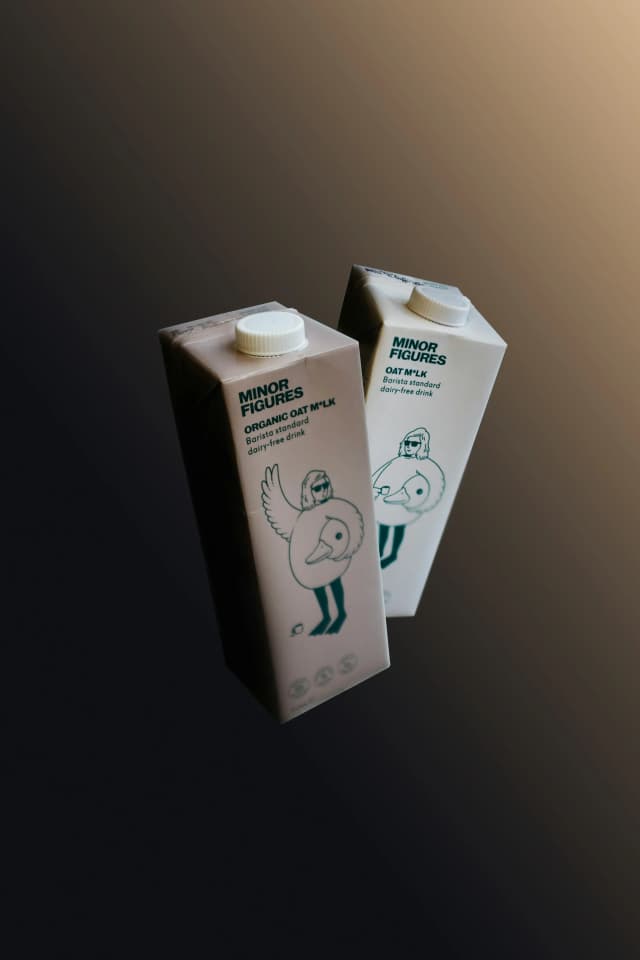
Tetra Pak is a Swedish invention from 1951 by Erik Wallenberg known for practical impact and lasting relevance.
From milk and juice to soups and sauces, Tetra Pak is a name seen on billions of food and beverage cartons worldwide. This Swedish invention revolutionized the way liquids are packaged, stored, and transported, significantly reducing food waste and improving sustainability. Today, Tetra Pak is the world's leading provider of packaging solutions, with a presence in over 160 countries. But how did this game-changing innovation come to be? Tetra Pak is closely associated with Sweden's tradition of practical problem-solving and is often dated to 1951. The invention is credited to Erik Wallenberg, whose work emphasized reliability over spectacle. Its core idea is simple but effective, focusing on usability, durability, and making everyday tasks easier. Over time, improvements in materials and manufacturing helped it move from early adopters to broader use. Rather than a single dramatic launch, its influence grew as people saw value in daily settings. Even today the underlying principles still hold, which is why the concept continues to feel relevant.
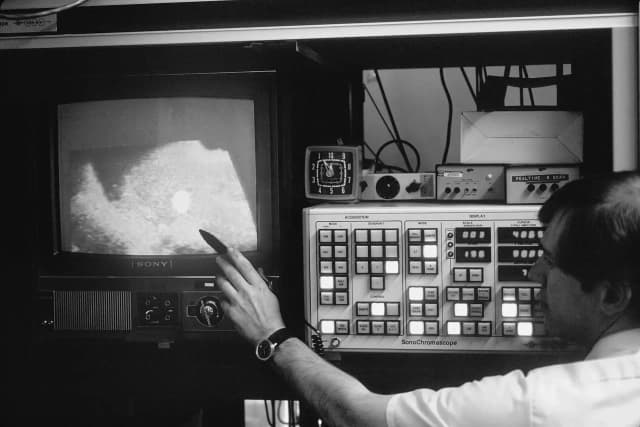
Ultrasound Technology is a Swedish invention from 1953 by Hellmuth Hertz and Inge Edler known for practical impact and...
Medical imaging has transformed the way doctors diagnose and treat diseases, and one of the most groundbreaking advancements in this field is ultrasound technology. Used in pregnancy scans, heart examinations, and countless other medical applications, ultrasound has become an essential tool in modern healthcare. What many people don't realize is that this life-saving technology was pioneered in Sweden by Inge Edler and Carl Hellmuth Hertz. Their work laid the foundation for the non-invasive, radiation-free imaging technology we rely on today. Ultrasound Technology is closely associated with Sweden's tradition of practical problem-solving and is often dated to 1953. The invention is credited to Hellmuth Hertz and Inge Edler, whose work emphasized reliability over spectacle. Its core idea is simple but effective, focusing on usability, durability, and making everyday tasks easier. Over time, improvements in materials and manufacturing helped it move from early adopters to broader use. Rather than a single dramatic launch, its influence grew as people saw value in daily settings.

Three-Point Seatbelt is a Swedish invention from 1959 by Nils Bohlin known for practical impact and lasting relevance.
Every time you buckle up in a car, you are using one of the greatest life-saving inventions in automotive history—the three-point seatbelt. Invented by Volvo engineer Nils Bohlin in 1959, the V-shaped design distributes crash forces across the chest, pelvis, and shoulders rather than concentrating them on the abdomen. Volvo made the extraordinary decision to leave the patent open, allowing every car manufacturer to use it for free. The result: an estimated one million lives saved since its introduction, making it perhaps the single most impactful safety device ever created. Three-Point Seatbelt is closely associated with Sweden's tradition of practical problem-solving and is often dated to 1959. The invention is credited to Nils Bohlin, whose work emphasized reliability over spectacle. Its core idea is simple but effective, focusing on usability, durability, and making everyday tasks easier. Over time, improvements in materials and manufacturing helped it move from early adopters to broader use.
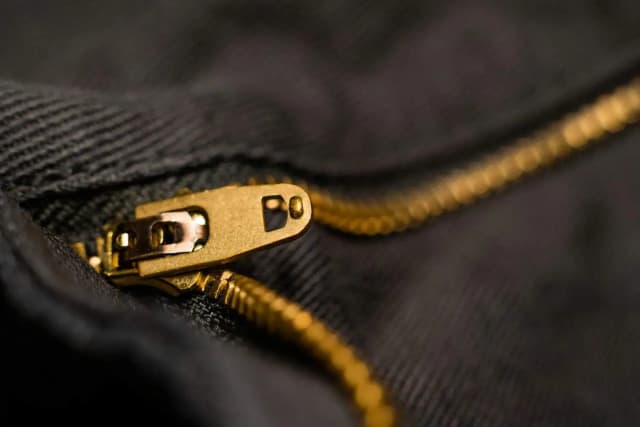
Zipper is a Swedish invention from 1913 by Gideon Sundbäck known for practical impact and lasting relevance. It still...
The modern zipper was perfected in 1913 by Swedish-American engineer Gideon Sundbäck, who increased the number of interlocking teeth from four to ten per centimetre and created the slider mechanism still used today. Earlier fasteners were clumsy and prone to popping open, but Sundbäck's 'Hookless No. 2' was reliable enough for mass production. The U.S. military adopted it for uniforms and equipment during World War I, accelerating global adoption. Today billions of zippers are manufactured every year for clothing, bags, and aerospace applications, a testament to Swedish precision engineering. Zipper is closely associated with Sweden's tradition of practical problem-solving and is often dated to 1913. The invention is credited to Gideon Sundbäck, whose work emphasized reliability over spectacle. Its core idea is simple but effective, focusing on usability, durability, and making everyday tasks easier. Over time, improvements in materials and manufacturing helped it move from early adopters to broader use.

Ball Bearing is a Swedish invention from 1907 by Sven Wingquist known for practical impact and lasting relevance.
Invented by Swedish engineer Sven Wingquist in 1907, the self-aligning ball bearing solved a critical problem in textile factories: misaligned shafts that caused constant breakdowns. Wingquist's double-row design could compensate for shaft deflection, dramatically reducing friction and extending machine life. He founded SKF the same year, which grew into one of the world's largest bearing manufacturers. Today ball bearings are found in everything from car wheels and hard drives to wind turbines and spacecraft, silently enabling the mechanical world to spin with precision. Ball Bearing is closely associated with Sweden's tradition of practical problem-solving and is often dated to 1907. The invention is credited to Sven Wingquist, whose work emphasized reliability over spectacle. Its core idea is simple but effective, focusing on usability, durability, and making everyday tasks easier. Over time, improvements in materials and manufacturing helped it move from early adopters to broader use. Rather than a single dramatic launch, its influence grew as people saw value in daily settings.

Propeller is a Swedish invention from 1836 by John Ericsson known for practical impact and lasting relevance. It still...
Swedish-born engineer John Ericsson patented a screw propeller in 1836 that would end the age of paddle steamers. His design placed the blades below the waterline, making ships faster, more manoeuvrable, and less vulnerable in battle. Ericsson demonstrated the technology by winning a dramatic tug-of-war between a propeller-driven vessel and a paddle steamer on the Thames. He later designed the ironclad USS Monitor, which changed naval warfare during the American Civil War. The screw propeller remains the standard for marine and aircraft propulsion to this day. Propeller is closely associated with Sweden's tradition of practical problem-solving and is often dated to 1836. The invention is credited to John Ericsson, whose work emphasized reliability over spectacle. Its core idea is simple but effective, focusing on usability, durability, and making everyday tasks easier. Over time, improvements in materials and manufacturing helped it move from early adopters to broader use. Rather than a single dramatic launch, its influence grew as people saw value in daily settings.

Blowtorch is a Swedish invention from 1882 by Carl Richard Nyberg known for practical impact and lasting relevance.
In 1882, Swedish inventor Carl Richard Nyberg created the first practical blowtorch by forcing pressurised kerosene through a nozzle and igniting the vapour, producing a concentrated flame hot enough to melt copper and brass. The tool revolutionised plumbing, metalwork, and ship repair, replacing heavy coal-fired forges with a portable device a single worker could carry. Nyberg later used his blowtorch expertise to fund early aviation experiments, building one of Sweden's first powered aircraft. His invention remains a staple in workshops and construction sites worldwide over 140 years later. Blowtorch is closely associated with Sweden's tradition of practical problem-solving and is often dated to 1882. The invention is credited to Carl Richard Nyberg, whose work emphasized reliability over spectacle. Its core idea is simple but effective, focusing on usability, durability, and making everyday tasks easier. Over time, improvements in materials and manufacturing helped it move from early adopters to broader use.
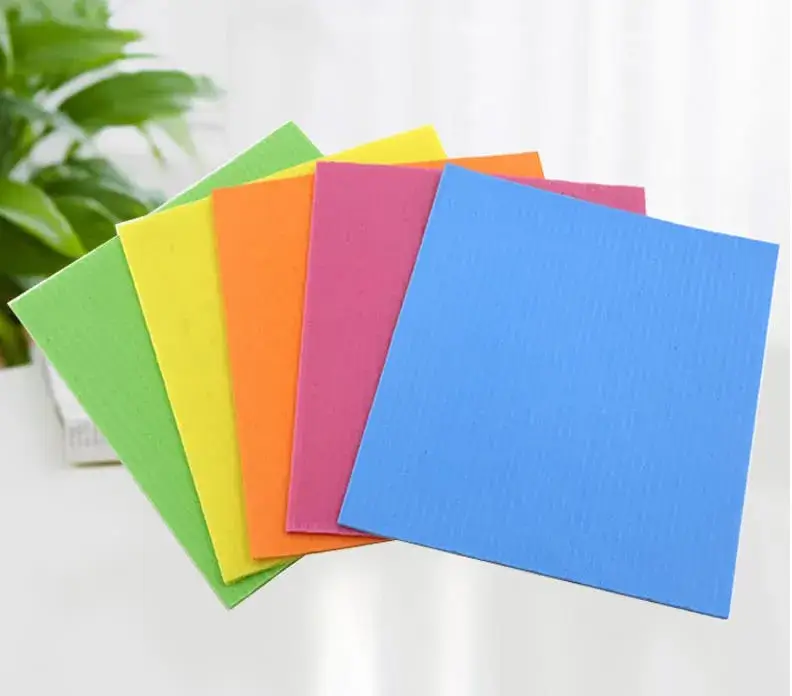
The Re-washable Dishcloth is a Swedish invention from 1949 by Curt Lindquist known for practical impact and lasting...
The rewashable Wettex dishcloth, invented in 1949 by Curt Lindquist, transformed kitchen chores with its ability to absorb up to 15 times its weight in liquids. Made from a blend of regenerated cellulose and cotton fibre, this durable, eco-friendly innovation can be washed and reused endlessly without losing shape or quality. From Sweden to over 50 countries, it's a household staple that proves small ideas can spark big change. The Re-washable Dishcloth is closely associated with Sweden's tradition of practical problem-solving and is often dated to 1949. The invention is credited to Curt Lindquist, whose work emphasized reliability over spectacle. Its core idea is simple but effective, focusing on usability, durability, and making everyday tasks easier. Over time, improvements in materials and manufacturing helped it move from early adopters to broader use. Rather than a single dramatic launch, its influence grew as people saw value in daily settings. Even today the underlying principles still hold, which is why the concept continues to feel relevant.

Modern Walking Frame is a Swedish invention from 1965 by Aina Wifalk known for practical impact and lasting relevance.
In the 1960s, Swedish polio survivor Aina Wifalk redesigned the walking frame from a rigid, lift-and-place cage into a lightweight rollator with wheels, brakes, and a built-in seat. Drawing on her own experience with limited mobility, she created a device that let users walk naturally rather than shuffling. Her four-wheeled 'rollator' was patented in 1978 and quickly adopted across Scandinavia. Today it is the global standard for walking aids, used by tens of millions of elderly and disabled people, giving them independence and dignity in their daily lives. Modern Walking Frame is closely associated with Sweden's tradition of practical problem-solving and is often dated to 1965. The invention is credited to Aina Wifalk, whose work emphasized reliability over spectacle. Its core idea is simple but effective, focusing on usability, durability, and making everyday tasks easier. Over time, improvements in materials and manufacturing helped it move from early adopters to broader use. Rather than a single dramatic launch, its influence grew as people saw value in daily settings.
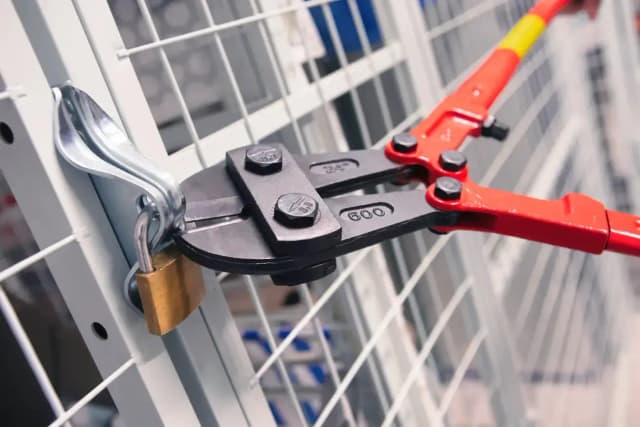
The First Bolt Cutter is a Swedish invention from 1866 by Jonas Jönsson Byman known for practical impact and lasting...
The first bolt cutter was designed in 1866 by Jonas Jönsson Byman in a small village in Jämtland, Sweden, empowering anyone to slice through bolts, chains, padlocks, and wires with ease. This iconic tool, still in use 150+ years later, hit a snag when a shady metalworker stole Byman's design and patented it first. Despite the betrayal, Byman's legacy endures in workshops worldwide, a testament to Swedish grit and ingenuity. The First Bolt Cutter is closely associated with Sweden's tradition of practical problem-solving and is often dated to 1866. The invention is credited to Jonas Jönsson Byman, whose work emphasized reliability over spectacle. Its core idea is simple but effective, focusing on usability, durability, and making everyday tasks easier. Over time, improvements in materials and manufacturing helped it move from early adopters to broader use. Rather than a single dramatic launch, its influence grew as people saw value in daily settings. Even today the underlying principles still hold, which is why the concept continues to feel relevant.
Bluetooth Technology is a Swedish invention from 1994 by Jaap Haartsen and Sven Mattisson known for practical impact...
Bluetooth technology was developed in the 1990s by Swedish engineers Jaap Haartsen and Sven Mattisson while working at Ericsson in Lund. Named after the 10th-century Viking king Harald Bluetooth, who united Scandinavian tribes, the technology was designed to unite communication protocols across devices. The team created a short-range wireless standard that could connect phones, headsets, and computers without cables. Today Bluetooth is embedded in over four billion devices shipped annually, powering everything from wireless earbuds and smart home gadgets to medical instruments and automotive systems. Bluetooth Technology is closely associated with Sweden's tradition of practical problem-solving and is often dated to 1994. The invention is credited to Jaap Haartsen and Sven Mattisson, whose work emphasized reliability over spectacle. Its core idea is simple but effective, focusing on usability, durability, and making everyday tasks easier. Over time, improvements in materials and manufacturing helped it move from early adopters to broader use.
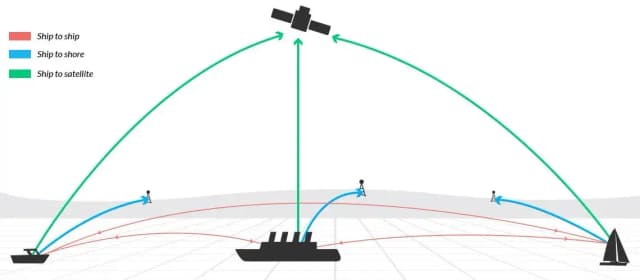
Automatic Identification System is a Swedish invention from 1990 by Håkan Lans known for practical impact and lasting...
The Automatic Identification System (AIS) is one of the most important technologies in modern maritime navigation, ensuring that ships worldwide can avoid collisions, track movements, and communicate more efficiently. Invented in Sweden, AIS has become a mandatory system for large vessels worldwide, allowing ships, ports, and coast guards to monitor vessel traffic in real-time. This groundbreaking innovation has significantly reduced accidents at sea, improved global shipping logistics, and strengthened maritime security. Automatic Identification System is closely associated with Sweden's tradition of practical problem-solving and is often dated to 1990. The invention is credited to Håkan Lans, whose work emphasized reliability over spectacle. Its core idea is simple but effective, focusing on usability, durability, and making everyday tasks easier. Over time, improvements in materials and manufacturing helped it move from early adopters to broader use. Rather than a single dramatic launch, its influence grew as people saw value in daily settings.

Skype is a Swedish invention from 2003 by Niklas Zennström and Janus Friis known for practical impact and lasting...
Before video calls became a daily part of life, long-distance communication was expensive and inconvenient. Then came Skype, a revolutionary software that made voice and video calls free over the internet. Launched in 2003, Skype was co-founded by Swedish entrepreneur Niklas Zennström and quickly became a household name, forever changing the way people connected across the globe. Today, Skype's impact is still felt in modern communication platforms, from business meetings to personal chats with loved ones. Skype is closely associated with Sweden's tradition of practical problem-solving and is often dated to 2003. The invention is credited to Niklas Zennström and Janus Friis, whose work emphasized reliability over spectacle. Its core idea is simple but effective, focusing on usability, durability, and making everyday tasks easier. Over time, improvements in materials and manufacturing helped it move from early adopters to broader use. Rather than a single dramatic launch, its influence grew as people saw value in daily settings.

Spotify is a Swedish invention from 2006 by Daniel Ek and Martin Lorentzon known for practical impact and lasting...
Music has always been a fundamental part of human culture, but how we listen to music has changed dramatically over the years. From vinyl records and CDs to MP3 downloads, each era brought new ways to access songs. Then, in 2006, Spotify emerged from Sweden, revolutionizing the music industry by offering on-demand streaming with a vast catalog of songs. Today, Spotify is the world's leading music streaming platform, proving once again that Swedish innovation can reshape global industries. Spotify is closely associated with Sweden's tradition of practical problem-solving and is often dated to 2006. The invention is credited to Daniel Ek and Martin Lorentzon, whose work emphasized reliability over spectacle. Its core idea is simple but effective, focusing on usability, durability, and making everyday tasks easier. Over time, improvements in materials and manufacturing helped it move from early adopters to broader use. Rather than a single dramatic launch, its influence grew as people saw value in daily settings.
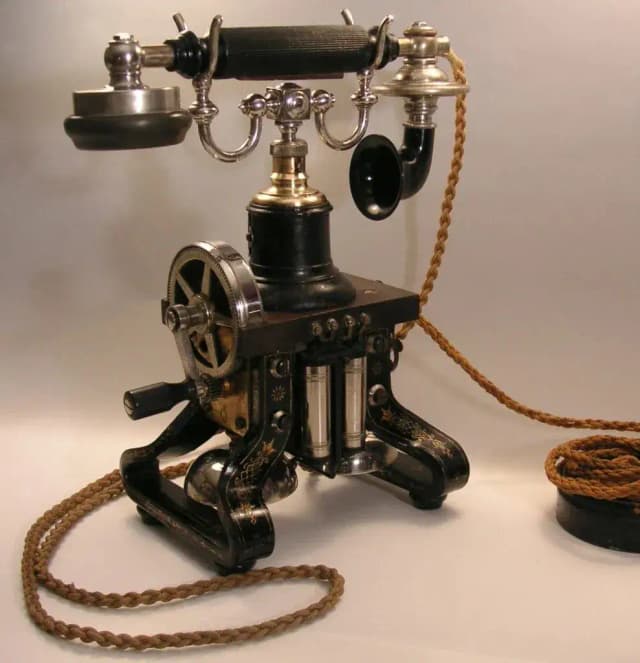
The First Telephone Handset is a Swedish invention from 1876 by Lars Magnus Ericsson known for practical impact and...
Alexander Graham Bell might have patented the telephone, but the first telephone handset was invented in Sweden in 1876 by Lars Magnus Ericsson, exploiting the fact that Bell's patent didn't cover the Nordic countries. (Though, fun fact: Italian Antonio Meucci beat them both to the punch!) Ericsson's clever design birthed the world's first public telephone exchange in Stockholm, paving the way for a telecom revolution that still echoes today. The First Telephone Handset is closely associated with Sweden's tradition of practical problem-solving and is often dated to 1876. The invention is credited to Lars Magnus Ericsson, whose work emphasized reliability over spectacle. Its core idea is simple but effective, focusing on usability, durability, and making everyday tasks easier. Over time, improvements in materials and manufacturing helped it move from early adopters to broader use. Rather than a single dramatic launch, its influence grew as people saw value in daily settings. Even today the underlying principles still hold, which is why the concept continues to feel relevant.

Minecraft is a Swedish invention from 2009 by Markus Persson (Notch) known for practical impact and lasting relevance.
Video games have evolved from simple pixelated experiences to immersive, cinematic masterpieces. But in 2009, a small Swedish game called Minecraft changed everything. Created by Markus a.k.a. Notch Persson, Minecraft introduced a sandbox-style world where players could build, explore, and create anything they imagined. With its blocky graphics and open-ended gameplay, it became a global phenomenon, influencing both gaming and education. Today, Minecraft is the best-selling video game of all time, proving that Swedish creativity can reshape the entertainment industry. Minecraft is closely associated with Sweden's tradition of practical problem-solving and is often dated to 2009. The invention is credited to Markus Persson (Notch), whose work emphasized reliability over spectacle. Its core idea is simple but effective, focusing on usability, durability, and making everyday tasks easier. Over time, improvements in materials and manufacturing helped it move from early adopters to broader use.

Candy Crush is a Swedish invention from 2012 by Riccardo Zacconi known for practical impact and lasting relevance.
Mobile gaming has transformed the way people play, bringing quick, addictive entertainment to millions of users worldwide. Among the most successful mobile games ever is Candy Crush, a colorful and engaging puzzle game that has captivated players of all ages. Created by Swedish game developer King, Candy Crush became a global sensation, proving that Sweden is not only a leader in technology but also in digital entertainment. With billions of downloads, Candy Crush remains one of the most-played mobile games of all time. Candy Crush is closely associated with Sweden's tradition of practical problem-solving and is often dated to 2012. The invention is credited to Riccardo Zacconi, whose work emphasized reliability over spectacle. Its core idea is simple but effective, focusing on usability, durability, and making everyday tasks easier. Over time, improvements in materials and manufacturing helped it move from early adopters to broader use. Rather than a single dramatic launch, its influence grew as people saw value in daily settings.

Battlefield is a Swedish invention from 2002 by Lars Gustavsson known for practical impact and lasting relevance.
Action gaming has redefined entertainment with intense, immersive experiences that thrill players globally. Among the most iconic action games is Battlefield, a dynamic first-person shooter that pits teams against each other in sprawling, realistic battlefields. Developed by Swedish studio DICE, Battlefield has become a global phenomenon, showcasing Sweden's prowess in creating cutting-edge gaming experiences. With millions of players and critically acclaimed titles, Battlefield remains a powerhouse in the gaming world. Battlefield is closely associated with Sweden's tradition of practical problem-solving and is often dated to 2002. The invention is credited to Lars Gustavsson, whose work emphasized reliability over spectacle. Its core idea is simple but effective, focusing on usability, durability, and making everyday tasks easier. Over time, improvements in materials and manufacturing helped it move from early adopters to broader use. Rather than a single dramatic launch, its influence grew as people saw value in daily settings.

Geometry Dash is a Swedish invention from 2013 by Robert Topala known for practical impact and lasting relevance.
Mobile and rhythm gaming have brought fast-paced, addictive fun to players everywhere, revolutionizing casual gaming. One standout title is Geometry Dash, a vibrant, rhythm-based platformer that challenges players with tricky levels and catchy beats. Created by Swedish developer Robert Topala, Geometry Dash has taken the world by storm, proving Sweden's innovation in creating engaging digital games. With millions of downloads and a dedicated fanbase, it's a must-play for gaming enthusiasts. Geometry Dash is closely associated with Sweden's tradition of practical problem-solving and is often dated to 2013. The invention is credited to Robert Topala, whose work emphasized reliability over spectacle. Its core idea is simple but effective, focusing on usability, durability, and making everyday tasks easier. Over time, improvements in materials and manufacturing helped it move from early adopters to broader use. Rather than a single dramatic launch, its influence grew as people saw value in daily settings.

The Goat Simulator is a Swedish invention from 2014 by Armin Ibrisagic known for practical impact and lasting relevance.
Humor and gaming have merged to create unforgettable, lighthearted fun for players worldwide, transforming the industry. A standout example is The Goat Simulator, a quirky, physics-based game where players control a mischievous goat causing hilarious mayhem. Developed by Swedish studio Coffee Stain Studios, this game has won hearts globally, highlighting Sweden's creativity in digital entertainment. With its absurd humor and massive popularity, The Goat Simulator remains a beloved title for casual gamers. The Goat Simulator is closely associated with Sweden's tradition of practical problem-solving and is often dated to 2014. The invention is credited to Armin Ibrisagic, whose work emphasized reliability over spectacle. Its core idea is simple but effective, focusing on usability, durability, and making everyday tasks easier. Over time, improvements in materials and manufacturing helped it move from early adopters to broader use. Rather than a single dramatic launch, its influence grew as people saw value in daily settings.
Lovable is a Swedish invention from 2023 by Founders: Sigge Labor, Max Junestrand & August Erséus known for practical...
Lovable pairs large language models with opinionated tooling so non-coders can build and ship software just by describing what they need in plain language. Founded in Stockholm in 2023 by Sigge Labor, Max Junestrand, and August Erséus, the platform generates full-stack web applications from a single prompt, handling everything from design to deployment. By summer 2025 the startup had raced to SEK 720 million in annual recurring revenue, making it one of the fastest-growing AI companies in Europe and a symbol of Sweden's booming generative-AI ecosystem. Lovable is closely associated with Sweden's tradition of practical problem-solving and is often dated to 2023. The invention is credited to Founders: Sigge Labor, Max Junestrand & August Erséus, whose work emphasized reliability over spectacle. Its core idea is simple but effective, focusing on usability, durability, and making everyday tasks easier. Over time, improvements in materials and manufacturing helped it move from early adopters to broader use.
Legora is a Swedish invention from 2023 by Founders: Sigge Labor, Max Junestrand & August Erséus known for practical...
Legora automates research and drafting for legal teams by combining proprietary language models with the specific playbooks and workflows that law firms already use. Founded in Stockholm by Sigge Labor, Max Junestrand, and August Erséus, the platform can review contracts, flag risks, and generate first drafts in minutes rather than hours. By 2025 the company had raised nearly SEK 800 million and reached a valuation of SEK 6.5 billion, reflecting surging demand for AI tools that can navigate the complexity of legal language across jurisdictions. Legora is closely associated with Sweden's tradition of practical problem-solving and is often dated to 2023. The invention is credited to Founders: Sigge Labor, Max Junestrand & August Erséus, whose work emphasized reliability over spectacle. Its core idea is simple but effective, focusing on usability, durability, and making everyday tasks easier. Over time, improvements in materials and manufacturing helped it move from early adopters to broader use.
Sana is a Swedish invention from 2016 by Founder: Joel Hellermark known for practical impact and lasting relevance.
Sana delivers an AI platform that learns from a company's own documents, knowledge bases, and internal workflows to create intelligent agents that can answer employee questions, automate routine tasks, and surface insights. Founded in 2016 by Joel Hellermark when he was just 18 years old, the Stockholm company has grown into one of Europe's leading enterprise AI players. Sana also spearheads The Swedish AI Reform, an initiative to ensure businesses of all sizes can access advanced AI tooling, reinforcing Sweden's position at the forefront of responsible AI development. Sana is closely associated with Sweden's tradition of practical problem-solving and is often dated to 2016. The invention is credited to Founder: Joel Hellermark, whose work emphasized reliability over spectacle. Its core idea is simple but effective, focusing on usability, durability, and making everyday tasks easier. Over time, improvements in materials and manufacturing helped it move from early adopters to broader use. Rather than a single dramatic launch, its influence grew as people saw value in daily settings.
Tandem Health is a Swedish invention from 2023 by Founders: Oliver Åstrand, Oscar Boldt-Christmas & Lukas Saari known...
Tandem Health assists doctors by automatically transcribing and structuring patient consultations so that medical notes, referrals, and follow-up actions are ready the moment a visit ends. Founded in 2023 by Oliver Åstrand, Oscar Boldt-Christmas, and Lukas Saari, the Stockholm startup uses speech recognition and clinical language models trained on Nordic healthcare terminology. By early 2025 the service was already generating SEK 180 million in annual recurring revenue, freeing thousands of doctors across Scandinavia from hours of daily paperwork. Tandem Health is closely associated with Sweden's tradition of practical problem-solving and is often dated to 2023. The invention is credited to Founders: Oliver Åstrand, Oscar Boldt-Christmas & Lukas Saari, whose work emphasized reliability over spectacle. Its core idea is simple but effective, focusing on usability, durability, and making everyday tasks easier. Over time, improvements in materials and manufacturing helped it move from early adopters to broader use.
Listen Labs is a Swedish invention from 2023 by Founders: Alfred Wahlforss & Florian Juengermann known for practical...
Listen Labs runs AI-led voice interviews at scale, allowing product teams to gather qualitative customer insights without spending weeks on manual research. The platform conducts natural-sounding conversations, transcribes responses, and distills themes and sentiments into actionable summaries. Founded in 2023 by Alfred Wahlforss and Florian Juengermann, the Stockholm company has raised SEK 260 million since launch, attracting clients who want to understand their users deeply but lack the bandwidth for traditional interview processes. Listen Labs is closely associated with Sweden's tradition of practical problem-solving and is often dated to 2023. The invention is credited to Founders: Alfred Wahlforss & Florian Juengermann, whose work emphasized reliability over spectacle. Its core idea is simple but effective, focusing on usability, durability, and making everyday tasks easier. Over time, improvements in materials and manufacturing helped it move from early adopters to broader use. Rather than a single dramatic launch, its influence grew as people saw value in daily settings.
Filed is a Swedish invention from 2024 by Founders: Johannes Schildt, Jakob Olsson & team known for practical impact...
Filed focuses on U.S. tax advisers, using AI-powered workflows to prepare intricate returns faster and with fewer errors. The platform ingests financial documents, cross-references IRS rules, and generates completed tax forms that human advisers can review and file. Founded by Johannes Schildt, Jakob Olsson, and their team, Filed raised SEK 170 million in May 2025, reflecting the massive opportunity in automating one of the most document-heavy professions. The company aims to cut preparation time by up to 80 percent while maintaining full regulatory compliance. Filed is closely associated with Sweden's tradition of practical problem-solving and is often dated to 2024. The invention is credited to Founders: Johannes Schildt, Jakob Olsson & team, whose work emphasized reliability over spectacle. Its core idea is simple but effective, focusing on usability, durability, and making everyday tasks easier. Over time, improvements in materials and manufacturing helped it move from early adopters to broader use.
Lightbringer is a Swedish invention from 2024 by Founders: Team Lightbringer known for practical impact and lasting...
Lightbringer builds AI-powered software that automates patent searches, prior-art analysis, filing preparation, and portfolio strategy so companies can safeguard their inventions faster and at lower cost. Traditional patent work requires expensive specialist attorneys and can take months; Lightbringer condenses the process into days by scanning millions of existing patents and generating structured reports. Founded in 2024 by a team of IP and AI specialists in Stockholm, the company is part of Sweden's growing wave of legal-tech startups that apply language models to complex document-heavy domains. Lightbringer is closely associated with Sweden's tradition of practical problem-solving and is often dated to 2024. The invention is credited to Founders: Team Lightbringer, whose work emphasized reliability over spectacle. Its core idea is simple but effective, focusing on usability, durability, and making everyday tasks easier. Over time, improvements in materials and manufacturing helped it move from early adopters to broader use.
Talentium is a Swedish invention from 2023 by Founders: Talentium Team known for practical impact and lasting relevance.
Talentium scouts the open web for job candidates using autonomous AI sourcing agents that crawl professional networks, portfolios, and public profiles to identify people who match specific role requirements. Instead of recruiters spending hours manually searching LinkedIn, Talentium's agents summarise each candidate's experience, skills, and cultural fit, then rank them for relevance. Founded in 2023 in Stockholm, the company is part of Sweden's thriving HR-tech scene and addresses one of recruiting's biggest bottlenecks: finding the right people before competitors do. Talentium is closely associated with Sweden's tradition of practical problem-solving and is often dated to 2023. The invention is credited to Founders: Talentium Team, whose work emphasized reliability over spectacle. Its core idea is simple but effective, focusing on usability, durability, and making everyday tasks easier. Over time, improvements in materials and manufacturing helped it move from early adopters to broader use.
AI-Bob is a Swedish invention from 2022 by Founder: Elin Mårtensson known for practical impact and lasting relevance.
AI-Bob helps the construction industry by automatically checking architectural drawings and blueprints against Swedish building codes and regulations, flagging non-compliant elements before construction begins. Founded in 2022 by Elin Mårtensson, the Stockholm-based company uses computer vision and regulatory language models to catch errors that human reviewers might miss under time pressure. By automating compliance checks, AI-Bob reduces costly on-site mistakes, shortens approval timelines, and helps architects and engineers deliver buildings that meet safety standards from the start. AI-Bob is closely associated with Sweden's tradition of practical problem-solving and is often dated to 2022. The invention is credited to Founder: Elin Mårtensson, whose work emphasized reliability over spectacle. Its core idea is simple but effective, focusing on usability, durability, and making everyday tasks easier. Over time, improvements in materials and manufacturing helped it move from early adopters to broader use.
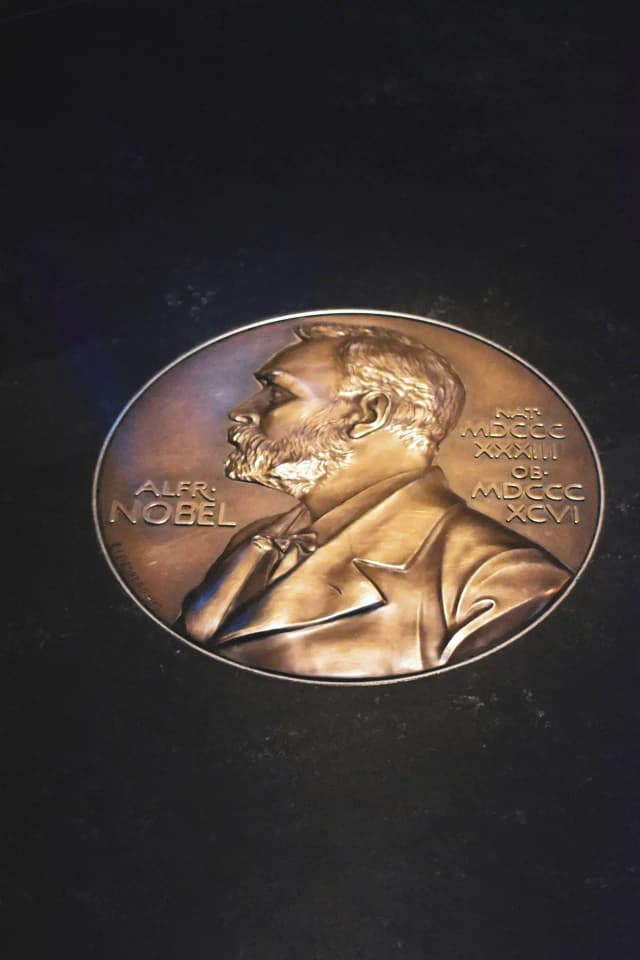
Nobel Prize is a Swedish invention from 1895 by Alfred Nobel known for practical impact and lasting relevance.
Few awards in history hold as much prestige as the Nobel Prize. Established by Swedish industrialist Alfred Nobel in 1895, the prize honors individuals and organizations that have made groundbreaking contributions to science, literature, and peace. Every year, the world watches as the Nobel Prizes are awarded in Stockholm and Oslo, recognizing achievements that have changed humanity for the better. Sweden's commitment to intellectual progress, discovery, and global improvement has made the Nobel Prize one of the most respected honors in the world. Nobel Prize is closely associated with Sweden's tradition of practical problem-solving and is often dated to 1895. The invention is credited to Alfred Nobel, whose work emphasized reliability over spectacle. Its core idea is simple but effective, focusing on usability, durability, and making everyday tasks easier. Over time, improvements in materials and manufacturing helped it move from early adopters to broader use. Rather than a single dramatic launch, its influence grew as people saw value in daily settings.

Celsius Temperature Scale is a Swedish invention from 1742 by Anders Celsius known for practical impact and lasting...
From weather forecasts to scientific research, the Celsius temperature scale is used worldwide to measure heat and cold. Developed in Sweden in 1742 by astronomer Anders Celsius, this simple yet precise system has become the standard for temperature measurement in most countries. Whether tracking daily temperatures or conducting laboratory experiments, Celsius provides a logical and universal way to quantify temperature. Celsius Temperature Scale is closely associated with Sweden's tradition of practical problem-solving and is often dated to 1742. The invention is credited to Anders Celsius, whose work emphasized reliability over spectacle. Its core idea is simple but effective, focusing on usability, durability, and making everyday tasks easier. Over time, improvements in materials and manufacturing helped it move from early adopters to broader use. Rather than a single dramatic launch, its influence grew as people saw value in daily settings. Even today the underlying principles still hold, which is why the concept continues to feel relevant.

First Oral Cholera Vaccine Drokal is a Swedish invention from 1991 by Jan Holmgren known for practical impact and...
Cholera, caused by the Vibrio cholerae bacterium, spreads through contaminated water and can kill within hours through severe dehydration. In the 1990s, Swedish immunologist Jan Holmgren at the University of Gothenburg developed Dukoral, the world's first effective oral cholera vaccine. Rather than requiring needles and trained medical staff, Dukoral could be administered as a drink, making mass vaccination campaigns feasible in developing countries with limited healthcare infrastructure. The vaccine has since protected millions across Asia, Africa, and Latin America during outbreaks and remains a cornerstone of the WHO's global cholera control strategy. First Oral Cholera Vaccine Drokal is closely associated with Sweden's tradition of practical problem-solving and is often dated to 1991. The invention is credited to Jan Holmgren, whose work emphasized reliability over spectacle. Its core idea is simple but effective, focusing on usability, durability, and making everyday tasks easier.
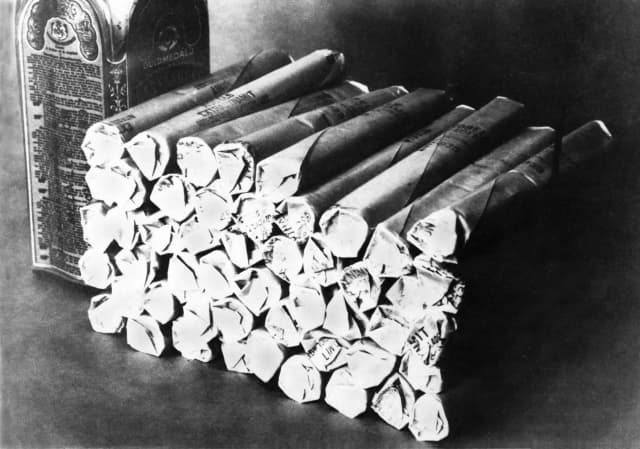
Dynamite is a Swedish invention from 1867 by Alfred Nobel known for practical impact and lasting relevance. It still...
Alfred Nobel invented dynamite in 1867 by stabilising volatile nitroglycerin with diatomaceous earth, creating an explosive that could be handled, transported, and detonated safely. The invention transformed mining, tunnelling, and construction, enabling projects like the Panama Canal and transcontinental railways that would have been impossible with black powder alone. The fortune Nobel amassed from dynamite later funded the Nobel Prizes, turning a tool of destruction into the world's most prestigious awards for human achievement in science, literature, and peace. Dynamite is closely associated with Sweden's tradition of practical problem-solving and is often dated to 1867. The invention is credited to Alfred Nobel, whose work emphasized reliability over spectacle. Its core idea is simple but effective, focusing on usability, durability, and making everyday tasks easier. Over time, improvements in materials and manufacturing helped it move from early adopters to broader use. Rather than a single dramatic launch, its influence grew as people saw value in daily settings.

AGA Cooker is a Swedish invention from 1922 by Gustaf Dalén known for practical impact and lasting relevance. It still...
Gustaf Dalén's AGA Cooker, invented in 1922, was born from a personal challenge: after losing his sight in a laboratory explosion, the Nobel Prize-winning physicist designed a stove that his wife could operate without constant monitoring. The cast-iron cooker uses heat storage to maintain a steady temperature, cooking food slowly and evenly while consuming far less fuel than conventional ranges. Its elegant, rounded design became an icon of British and Scandinavian country kitchens. Over a century later, AGA cookers are still manufactured and cherished as both practical appliances and design classics. AGA Cooker is closely associated with Sweden's tradition of practical problem-solving and is often dated to 1922. The invention is credited to Gustaf Dalén, whose work emphasized reliability over spectacle. Its core idea is simple but effective, focusing on usability, durability, and making everyday tasks easier. Over time, improvements in materials and manufacturing helped it move from early adopters to broader use.
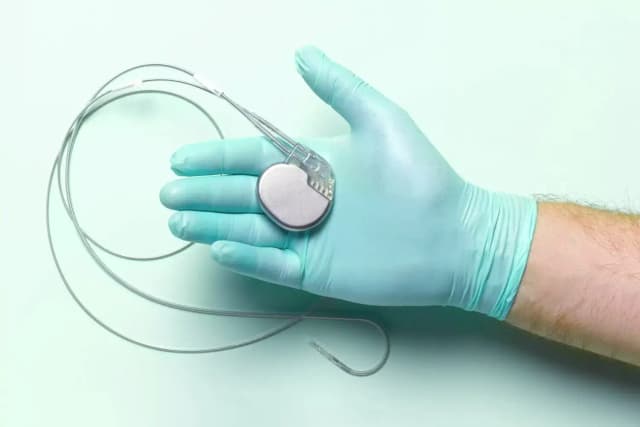
Implantable Pacemaker is a Swedish invention from 1958 by Rune Elmqvist known for practical impact and lasting...
In 1958, Swedish engineer Rune Elmqvist and surgeon Åke Senning created and implanted the first pacemaker at Karolinska Hospital in Stockholm. The fist-sized device, encased in epoxy resin and powered by rechargeable nickel-cadmium batteries, kept patient Arne Larsson's heart beating steadily. Though the first unit lasted only three hours, rapid iteration produced reliable devices that transformed cardiac care. Today over a million pacemakers are implanted every year worldwide, many smaller than a coin, giving patients decades of normal life that would otherwise be impossible. Implantable Pacemaker is closely associated with Sweden's tradition of practical problem-solving and is often dated to 1958. The invention is credited to Rune Elmqvist, whose work emphasized reliability over spectacle. Its core idea is simple but effective, focusing on usability, durability, and making everyday tasks easier. Over time, improvements in materials and manufacturing helped it move from early adopters to broader use.
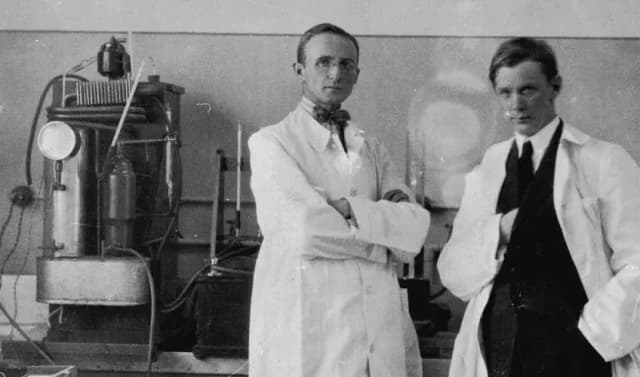
Absorption Refrigerator is a Swedish invention from 1925 by Carl Munters & Baltzar von Platen known for practical...
In 1922, two Swedish engineering students at the Royal Institute of Technology, Carl Munters and Baltzar von Platen, invented a gas-absorption refrigerator that used heat instead of a compressor to drive the cooling cycle. With no moving parts, their design was silent, virtually maintenance-free, and could run on any heat source including kerosene. The invention was licensed to Electrolux and manufactured globally, bringing reliable refrigeration to homes, hotels, and remote locations. The absorption principle is still used today in RV fridges, hotel minibars, and off-grid cooling systems worldwide. Absorption Refrigerator is closely associated with Sweden's tradition of practical problem-solving and is often dated to 1925. The invention is credited to Carl Munters & Baltzar von Platen, whose work emphasized reliability over spectacle. Its core idea is simple but effective, focusing on usability, durability, and making everyday tasks easier. Over time, improvements in materials and manufacturing helped it move from early adopters to broader use.
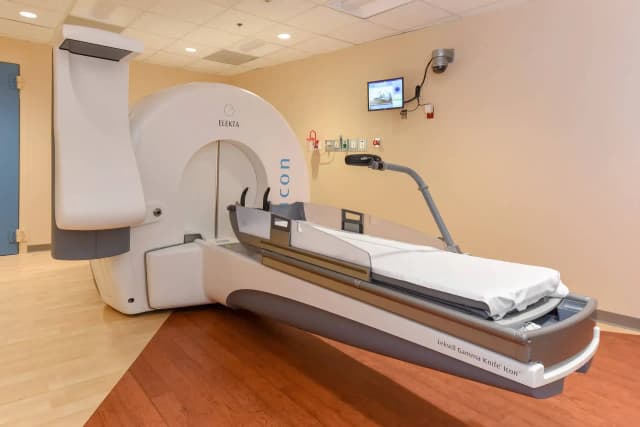
The Gamma Knife is a Swedish invention from 1968 by Lars Leksell known for practical impact and lasting relevance.
The Gamma Knife, a Swedish invention developed by Professor Lars Leksell at Karolinska Hospital, redefined brain tumor treatment with its debut in 1968. Active from 1960 to 1974, Leksell crafted a tool that delivers pinpoint radiation to destroy tumors while sparing healthy tissue. Over 100,000 patients worldwide have benefited from this non-invasive marvel, showcasing Sweden's leadership in medical innovation. The Gamma Knife is closely associated with Sweden's tradition of practical problem-solving and is often dated to 1968. The invention is credited to Lars Leksell, whose work emphasized reliability over spectacle. Its core idea is simple but effective, focusing on usability, durability, and making everyday tasks easier. Over time, improvements in materials and manufacturing helped it move from early adopters to broader use. Rather than a single dramatic launch, its influence grew as people saw value in daily settings. Even today the underlying principles still hold, which is why the concept continues to feel relevant.
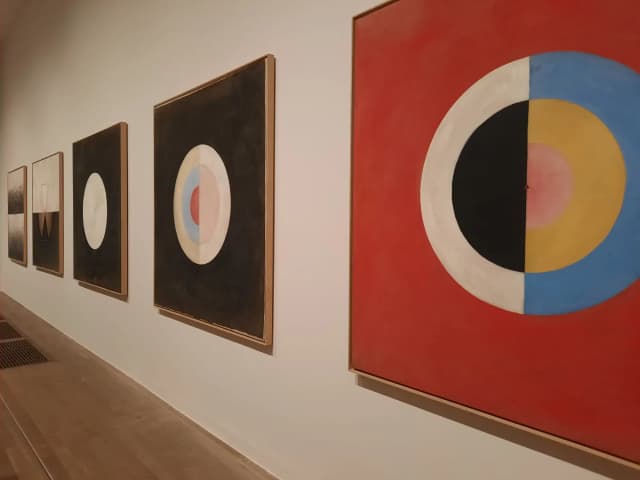
The First Abstract Paintings is a Swedish invention from 1906 by Hilma af Klint known for practical impact and lasting...
Hilma af Klint was a Swedish artist who pioneered abstract painting around 1906, long before it became a mainstream movement. Influenced by theosophy and spiritualism, she believed her vibrant, symbolic works channeled higher truths, creating a revolutionary art form that reshaped creative expression. Hidden for decades, her paintings stunned the world when showcased at the Guggenheim in 2018, cementing her legacy as a trailblazer in art history. The First Abstract Paintings is closely associated with Sweden's tradition of practical problem-solving and is often dated to 1906. The invention is credited to Hilma af Klint, whose work emphasized reliability over spectacle. Its core idea is simple but effective, focusing on usability, durability, and making everyday tasks easier. Over time, improvements in materials and manufacturing helped it move from early adopters to broader use. Rather than a single dramatic launch, its influence grew as people saw value in daily settings. Even today the underlying principles still hold, which is why the concept continues to feel relevant.